 English
 français
 Deutsch
 Español
 italiano
 русский
 português
 tiếng việt
 Türkçe
 Polska
 Indonesia
E-mail:
info@rsgbottle.com
EN

For a spirits brand, the bottle is more than packaging. It affects how the product looks on the shelf, how it feels in the hand, and how efficiently it runs through the bottling line. For this reason, choosing the right OEM glass liquor bottle manufacturer requires more than comparing unit prices.
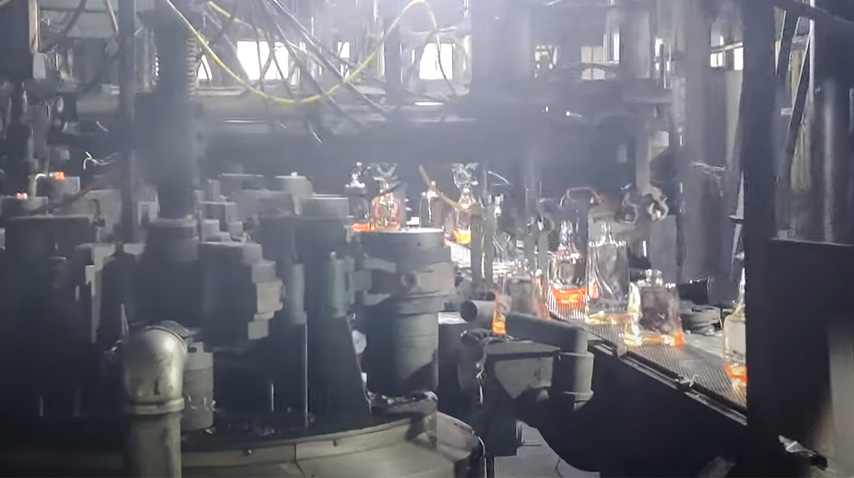
RSG Bottle supplies glass bottles for whisky, gin, vodka, rum, tequila, brandy, and other spirits. We provide both standard and bespoke bottle designs, along with matching closures, decoration, cartons, and dividers. This allows distilleries and spirits companies to manage more of their packaging supply through one manufacturing partner.

Not every spirits project needs a new mold. An existing bottle design can often be the more practical choice for a new product, especially when the initial order volume is limited or the launch schedule is tight.
Standard bottles can still be customized with different glass grades, colors, finishes, printing, coatings, or closures. This gives brands room to create a distinctive look without the cost and lead time of a completely new bottle.
For a purchasing team, an existing mold can also simplify the approval process. There is no need to start the bottle design from zero. Samples can be reviewed, tested, and prepared for production more quickly.
Established spirits brands often need something more distinctive. A custom bottle can use a unique silhouette, heavy base, special shoulder, embossed logo, or custom neck to create stronger shelf recognition.
As an OEM manufacturer, we can develop bottles from drawings, 3D files, reference samples, or an initial design concept. The design is then reviewed from a production perspective before the mold is made.
Bottle height, diameter, wall thickness, weight, base structure, and neck finish all need to work together. A bottle that looks attractive on a screen may still need changes to run reliably in production.
For a distillery or contract bottler, bottle compatibility is critical. The bottle needs to move smoothly through conveyors, filling machines, capping equipment, labeling machines, inspection systems, and packing lines.
Bottle height and diameter can affect conveyor settings. The base needs sufficient stability during handling. The neck finish must also match the filling and capping equipment.
This is particularly important when replacing a bottle from an existing supplier. A new bottle may look almost identical but have small dimensional differences that affect the filling line.
Providing an existing bottle sample or technical drawing is therefore useful. It allows the manufacturer to review key dimensions before production rather than discovering a problem after delivery.
The bottle and closure should be considered as one packaging system. Buying them from different suppliers can create additional coordination work and potential compatibility issues.
We supply matching closures for different spirits bottle designs. Depending on the bottle and application, options may include aluminum ROPP caps, bar-top closures, synthetic corks, and plastic closures.
Closure selection depends on the neck finish, filling process, product type, and desired presentation. A premium whisky may require a different solution from a vodka or liqueur.
The closure should be tested together with the bottle before mass production. This helps confirm fit, sealing, application, and overall appearance.
Glass clarity is important for many premium spirits. It can affect how the liquid, label, and bottle appear under retail lighting and during product photography.
Extra flint glass is often selected when a cleaner appearance is required. High-flint glass may also be considered for premium projects and bottles with special surface treatments.
Bottle weight requires a practical balance. A heavier bottle can create a premium hand feel, but it also increases shipping weight and may reduce container efficiency.
For large annual volumes, even a small difference in bottle weight can affect the total packaging and freight cost. The right specification depends on the brand positioning, target market, and expected order volume.
Bottle decoration can give a standard shape a more distinctive appearance. It can also reinforce the brand without requiring a completely new bottle design.
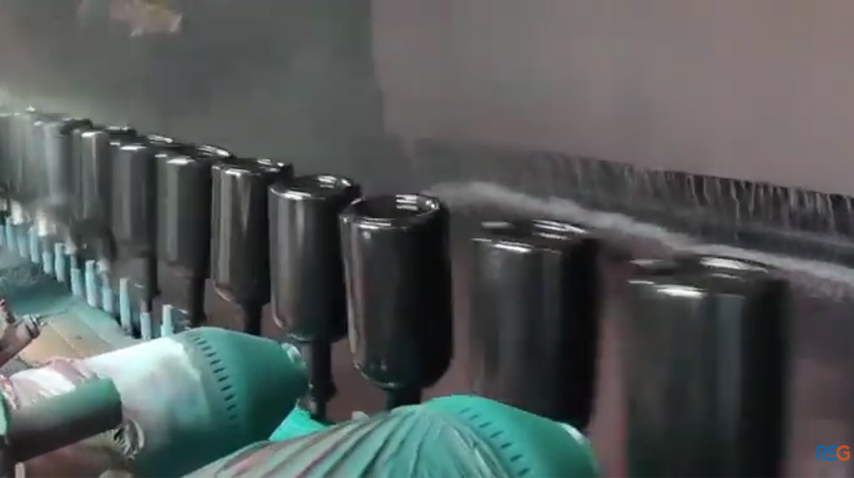
Common options include frosting, matte finishes, spray coating, screen printing, and metallic effects. Logos and brand details can also be embossed directly into the glass.
Artwork should be reviewed before production. Fine lettering, small logos, and metallic printing may require adjustments to achieve a clean result.
For premium bottles, decoration should be considered together with the glass type and bottle design. This helps ensure that the finished product matches the approved sample.
International shipping adds another consideration to glass bottle sourcing. Bottles need to be protected during factory handling, container loading, ocean transportation, unloading, and warehouse storage.
Cartons and dividers can be designed according to the bottle shape and shipping requirements. Honeycomb dividers, for example, can separate individual bottles and reduce contact during transportation.
Packing also affects container capacity. Bottle dimensions determine carton size, while carton size affects pallet configuration and the number of bottles that can be loaded into a 20-foot or 40-foot container.
For regular importers, container loading should be reviewed before the final bottle specification is approved. A small change in bottle diameter can sometimes make a noticeable difference to freight cost.
When evaluating an OEM glass liquor bottle manufacturer, procurement teams should look beyond the bottle price.
Key points include:
Bottle capacity and weight
Glass clarity and quality
Bottle dimensions and neck finish
Filling line compatibility
Closure compatibility
MOQ and annual volume
Mold and tooling cost
Sample development
Decoration requirements
Carton and divider configuration
Container loading quantity
Production lead time
Quality consistency for repeat orders
A bottle with the lowest unit price is not always the lowest-cost solution. Filling problems, poor packing, excess shipping weight, or inconsistent repeat production can quickly increase the total cost.
Standard bottles with existing molds normally require less development work. This can be useful when a brand wants to launch quickly or start with a smaller quantity.
A bespoke bottle requires additional investment in tooling and sampling. The expected annual volume should therefore be considered before making the decision.
For a high-volume spirits brand, a custom mold can make sense because the bottle design may be used for many years. For a smaller producer, an existing mold may provide better flexibility.
Mold storage and maintenance are also important for long-term supply. A bottle design may need to be reproduced several times over its product life, so reliable mold management helps maintain consistency.
Samples should be used for more than checking appearance. A distillery can test the bottle on its actual filling and capping equipment before placing a large production order.
The team can check conveyor movement, filling, closure application, labeling, bottle stability, and packing. This is especially important for custom bottles or bottles replacing an existing supplier's design.
A few practical tests before production can prevent much larger problems later.
Working directly with an OEM glass bottle manufacturer can give purchasing teams better control over specifications, mold, quality, production, and repeat orders.
It can also simplify communication when the project involves bottles, closures, decoration, and packaging. Instead of coordinating several suppliers, the buyer can manage the main packaging requirements through one source.
RSG Bottle supports standard and bespoke spirits glass bottles for international brands and distilleries. Our capabilities include custom molds, glass materail, matching closures, surface decoration, cartons, and dividers.
The objective is straightforward: provide a bottle that looks right, fits the filling process, protects the product during shipping, and makes commercial sense.
An OEM glass liquor bottle manufacturer produces bottles according to a customer's specifications or provides existing bottle designs for customization. Services may include molds, glass materail, decoration, closures, and packaging.
Yes. Matching closures can be supplied with the glass bottles. The suitable option depends on the bottle neck finish, filling equipment, spirit type, and required appearance.
Yes, especially you want to add the embossed logo on the bottle, need to make the new mold, besides, for the special shape, also need to custom according to your requirements
Yes. Testing samples on the actual filling and capping equipment is recommended before mass production. It helps confirm bottle stability, closure compatibility, and overall line performance.
Useful information includes bottle capacity, estimated quantity, bottle weight, dimensions, neck finish, closure type, decoration, destination port etc.
Yes. Cartons and dividers can be customized according to the bottle design and shipping requirements, have 6 packs and 12 packs for your choose